Disaster relief

User Name
Disaster relief
User Name
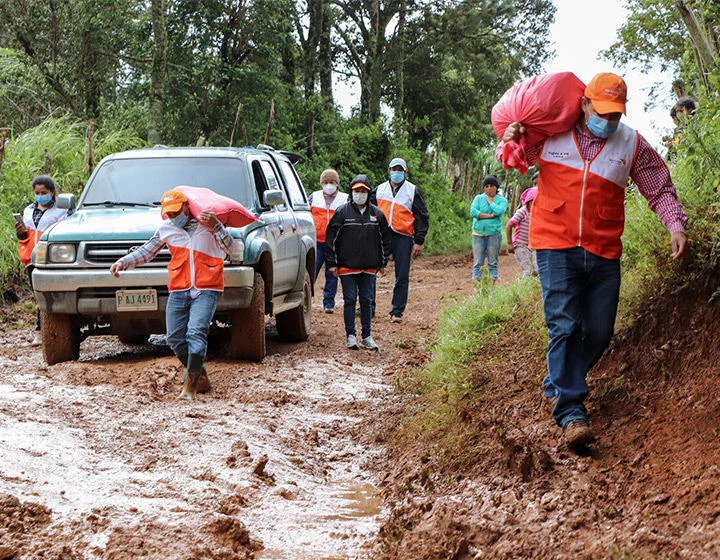
Life can change in an instant
Over 473 million children live in conflict-affected areas. By late 2024, more than 123 million people were forcibly displaced due to conflict, violence and persecution.
Whether caused by conflict or climate, natural or human-made disasters, humanitarian emergencies can erupt unexpectedly or build up over time. That's when disaster relief becomes critical.
The first 72 hours
With more than 31,000 staff in 100 countries, we are quick to the scene in an emergency. Here’s how we help save lives:
Prioritize children, especially those who require first aid or have been separated from their guardians.
Distribute emergency food packs and supplies, such as high energy biscuits for young children, tarpaulins, tents, cooking pots and jerry cans for water and fuel. If needed, we also organize in-kind food distribution with the World Food Programme.
Assess community infrastructure, such as roads, airstrips, bridges, community centres, schools and homes.
Distribute electronic cash transfers to families in urgent need, which they can use to purchase food at local markets, if possible.
In 2025, we delivered over 16 million resources like toys, medical aupplies and solar panels.
Our work doesn’t end after 72 hours. In fact, we stay as long as it takes—sometimes even years—to help communities recover and rebuild.
Featured article
-
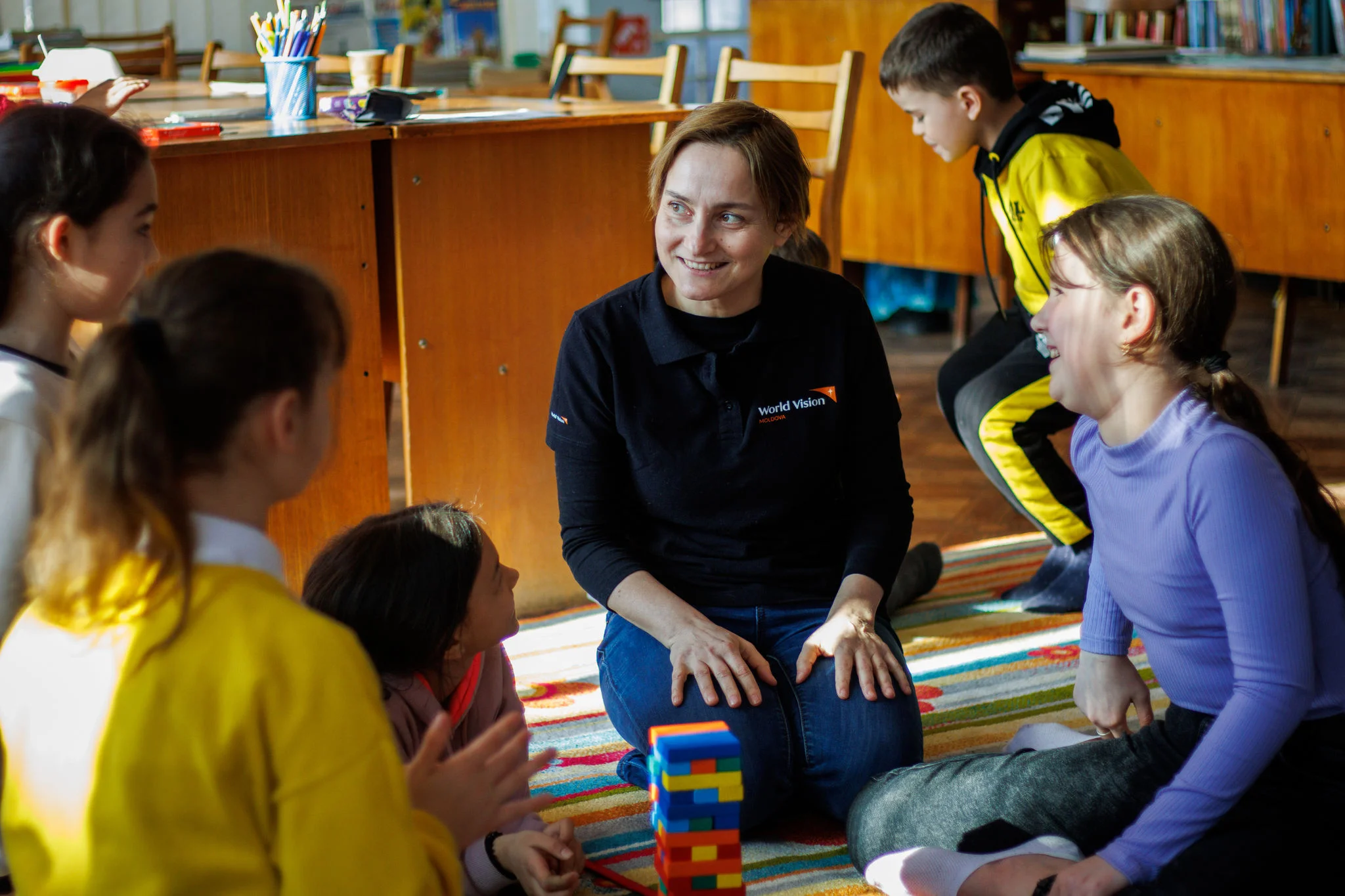
Just give money? The beauty of cash assistance in emergency response

 Disaster Relief
-
10 things you need to know about Syria
 Syria
Disaster Relief
Syria
Disaster Relief
-
The landslide that changed everything
Disaster Relief
Explore more articles
Explore more articles
Explore more articles
We trained 72,740 community members—including 7,807 children—in disaster risk strategies.
That's double the number of full-time firefighters in Canada.

Program expenditures
How our donors choose to help
Consistency and commitment—the formula for lasting change. Together, through monthly donations and community-led solutions, our work spans across five sectors where impact is needed most.
Explore
-
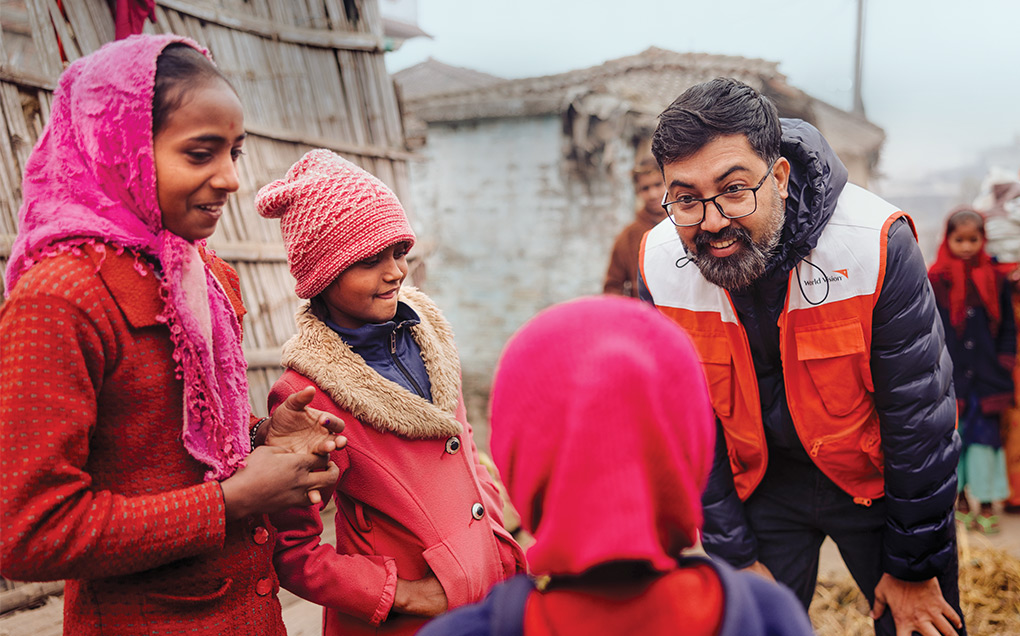
Emergency Response
Support urgent disaster relief—warming, nourishing, protecting children, rebuilding communities, and advocating for long-term resilience worldwide.
-
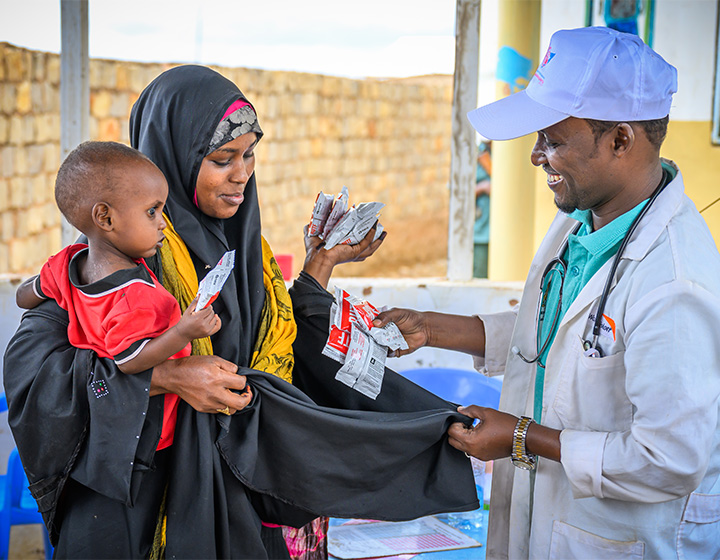

Somalia
World Vision has worked in Somalia since 1993
Africa
-


Refugees and migrants
When conflict erupts, World Vision Canada is there to provide emergency relief for refugees and migrants trying to survive and rebuild their lives. Join us.
Refugees and migrants
When our community grows, so does our impact.
Let's help build a world of opportunities for every child, no matter the location or circumstance.

Share your kindness with the world
Sponsor a child today 
Contact us
Follow us



© 2026 World Vision Canada. All rights reserved
Charitable Registration Number: 119304855RR0001
We are proud to be reviewed and held accountable by these independent third-party organizations: